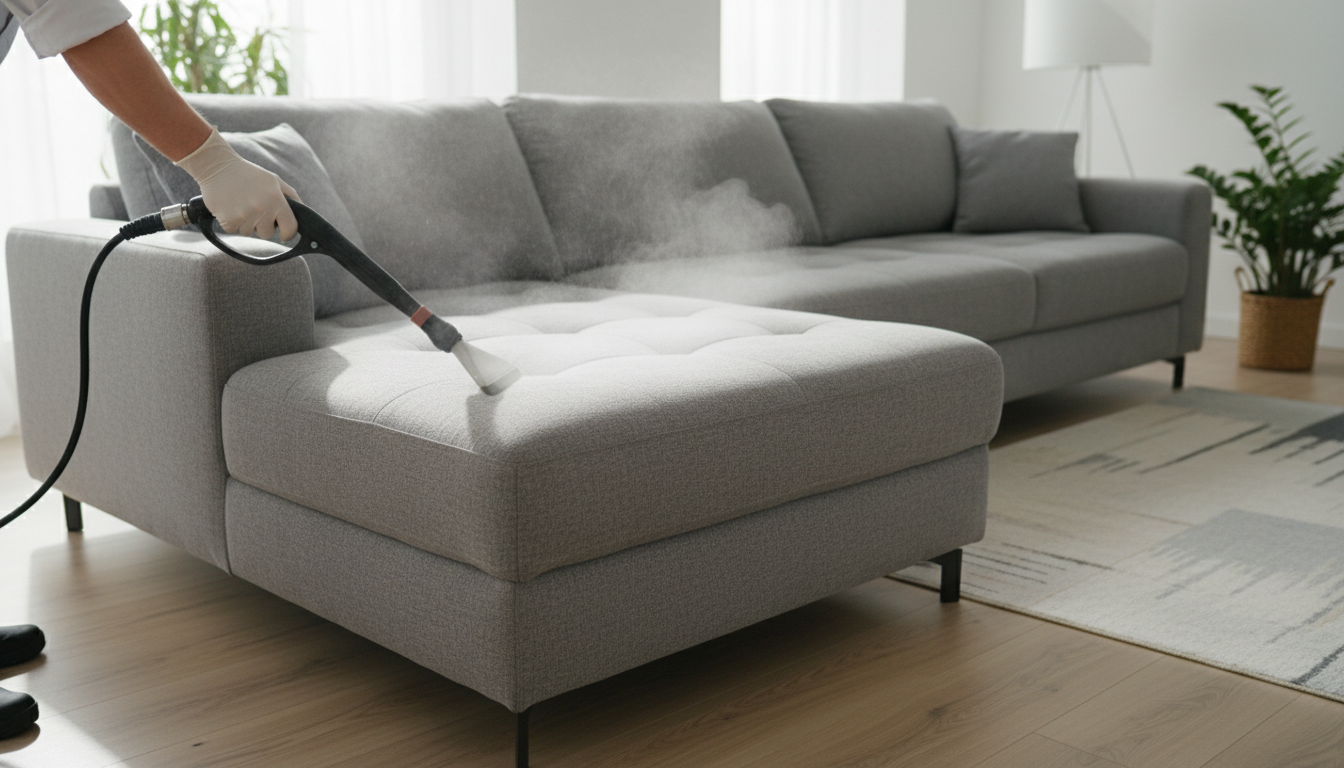
Upholstery Cleaning: What Every Homeowner Needs to Know
Your couch, chairs, and other upholstered furniture collect the same dirt, allergens, pet dander, and body oils that your carpet does, but most homeowners never think about cleaning them. Over time, this buildup causes fabric to look dingy, smell stale, and wear out faster than it should. Here is everything you need to know about keeping your upholstery clean and extending the life of your furniture.
Understanding Fabric Cleaning Codes
Before you attempt any cleaning, you need to know your fabric's cleaning code. This is the single most important piece of information for upholstery care, and ignoring it is the most common cause of DIY cleaning disasters.
Look for a small tag on your furniture, usually tucked under a cushion or on the underside of the frame. The tag will have one of four codes:
- W (Water): Water-based cleaning solutions are safe. This is the most common code for modern upholstery fabrics. Hot water extraction and steam cleaning methods work well.
- S (Solvent): Only dry cleaning solvents should be used. Water-based cleaning can cause water marks, shrinkage, or damage to the fabric. This is common with silk, rayon, and some delicate blends.
- SW (Solvent or Water): Either cleaning method is safe. This gives the most flexibility and is found on many durable, modern fabrics.
- X (Vacuum Only): No wet cleaning of any kind. The fabric should only be vacuumed or brushed. Professional dry cleaning may be possible, but any moisture-based method risks damage. This is rare but found on some delicate vintage and specialty fabrics.
If you cannot find a cleaning code, treat the fabric as S (solvent only) and consult a professional before attempting any wet cleaning.
When to Call a Professional
Professional upholstery cleaning is recommended whenever:
- Your furniture has not been cleaned in more than 12 months
- There are visible stains that household spot cleaning has not removed
- The fabric smells stale, musty, or like pet odor
- Allergy symptoms worsen when sitting on the furniture
- The fabric has an S or X cleaning code
- The furniture has sentimental or high monetary value
- You are unsure what the fabric is or how to clean it safely
Professional cleaners identify the fabric type, test cleaning solutions in an inconspicuous area, and match the cleaning method to the specific upholstery for the safest, most effective results.
The Risks of DIY Upholstery Cleaning
DIY upholstery cleaning carries more risk than DIY carpet cleaning because upholstery fabrics are more varied and more sensitive. Common DIY mistakes include:
- Water marks and rings: Using water-based solutions on S-coded fabric leaves permanent water marks that cannot be removed without professional intervention.
- Over-wetting: Saturating upholstery with too much water or cleaning solution can soak through to the padding, creating mold and mildew inside the furniture where you cannot see it.
- Colour bleeding or fading: Harsh cleaning products can strip dye from fabric, leaving bleached or discoloured spots.
- Shrinkage: Some natural fabrics, particularly cotton and linen blends, can shrink when exposed to water, causing the upholstery cover to pull and pucker.
- Residue buildup: Many store-bought upholstery cleaners leave a sticky residue that attracts dirt faster, making the furniture look dirtier sooner.
How Often to Clean Upholstered Furniture
- Heavy use (family sofa, pet furniture): Every 12 months
- Moderate use (dining chairs, accent chairs): Every 18 months
- Light use (formal living room, guest room): Every 24 months
- Homes with pets: Every 6 to 12 months, especially for furniture pets are allowed on
- Allergy sufferers: Every 6 to 12 months to reduce allergen accumulation
Between Professional Cleanings
Regular maintenance keeps your furniture looking good and extends the time between professional cleanings:
- Vacuum weekly: Use the upholstery attachment on your vacuum to remove surface dust, crumbs, and pet hair. Get into seams and crevices where debris accumulates.
- Flip and rotate cushions: This distributes wear evenly so one side does not wear out faster than the other.
- Address spills immediately: Blot, never rub. Use a clean, white cloth. Test any cleaning solution on a hidden area first. Work from the outside of the stain inward to prevent spreading.
- Keep out of direct sunlight: UV rays fade upholstery fabric over time. Use curtains or blinds during peak sun hours.
- Use throws on high-wear spots: Armrests and headrest areas wear fastest. Washable throws protect these spots and are easier to clean than the furniture itself.
Extending Furniture Life
Quality upholstered furniture is a significant investment. A good sofa costs $1,500 to $5,000 or more. Professional cleaning every 12 to 18 months can extend the life of your furniture by several years, which translates to significant savings over time.
Consider adding fabric protection after professional cleaning. Just like carpet protection, fabric protector creates a barrier that repels liquids and resists soiling, giving you more time to clean up spills before they become stains.
Common Upholstery Types and Care
- Microfiber: Durable and stain-resistant. Usually S-coded despite being called "easy clean." Check before using water.
- Cotton and cotton blends: Usually W-coded. Prone to shrinkage with excessive moisture. Professional cleaning is recommended.
- Linen: Beautiful but delicate. Wrinkles and water marks easily. Often S-coded. Professional cleaning strongly recommended.
- Leather: Not a fabric but requires its own specialized cleaning and conditioning. Do not use fabric cleaning methods on leather.
- Velvet: Can be W or S-coded depending on the material. Very sensitive to crushing and water marks. Always test first.
- Polyester: Durable and usually W-coded. Responds well to both DIY and professional cleaning.
Ready for Fresh Furniture?
If your upholstered furniture is due for a cleaning, or if you have stains and odors that need professional attention, call us at 705-482-0370. We serve North Bay and all surrounding areas with professional upholstery cleaning that matches the method to your specific fabric for safe, thorough results.